
Mold is one of those pesky problems that sneak up on homeowners and can cause a lot of damage if not addressed appropriately. It can, unfortunately, wreak havoc on the structural integrity of buildings and put the health of its inhabitants at risk. This makes professional mold remediation services essential for all property owners who want to keep their homes safe and healthy. In this article, we'll provide an introduction to mold remediation services and discuss how they can benefit homeowners. We'll also cover the common types of mold, how to recognize signs of a mold infestation, and what steps you should take if you find yourself dealing with this problem.
What is Mold?
Mold is a type of fungi that can form indoors and outdoors in wet or humid conditions. It can cause severe damage to any property it inhabits, so early detection and treatment are essential. There are many types of mold - the most common being black mold, mildew, and white mold - all of which thrive in warm, damp environments. Mold can spread quickly and is often undetected until it has caused damage or adversely impacted the health of occupants.
If left untreated, mold can cause significant damage to a building's structural integrity over time. This can lead to costly repairs, which may include replacing walls, floors, and ceilings and removing any furniture that has been affected by the mold. It is important to identify potential areas of growth and address them quickly in order to avoid the expensive long-term effects of untreated mold.
The Health Risks of Mold
Long-term exposure to mold has been linked to various allergies, respiratory issues, and serious illnesses such as asthma, bronchitis, and even cancer. In fact, some types of molds can produce harmful toxins that can lead to inflammation of the lungs, which can cause severe breathing problems.
Some of the most common symptoms experienced from mold exposure are sneezing a runny or stuffy nose, and skin irritation. Those with existing respiratory conditions may experience more severe symptoms such as chest tightness, wheezing, coughing, fatigue, and difficulty breathing. Children and elderly individuals are especially susceptible to health risks posed by mold.
What is Mold Remediation?
Mold remediation is the process of identifying the source of mold in a home or business and executing a plan to clean it up. Professional mold remediation services assess the scope of the problem, taking into consideration factors like moisture levels, ventilation, HVAC systems, and more. Once they have identified the source of contamination, they can develop an actionable plan to remove the mold. This often involves using specialized tools and products to ensure it is done correctly and safely.
DIY solutions for mold remediation can be effective in some cases, but they may not offer as thorough of a solution when compared to professional services. Professional companies have access to advanced equipment and strategies that make their processes more efficient than typical DIY methods.
Benefits of Hiring Professional Mold Remediation Services
When it comes to mold remediation, hiring professionals is the most reliable and effective way to prevent further contamination. Professional mold remediation can address visible growth and its moisture source before damage spreads. Cleanup cannot guarantee a particular health or repair outcome. Here are some of the key mold remediation services benefits that come with hiring a professional.
Expert Assessment and Accurate Treatment
Mold identification is an important step in the remediation process. Professionals use their knowledge and expertise to correctly identify mold growths so that they can provide the most accurate treatment plan. This is necessary, as different molds require different treatments depending on their type, size, location, and how widespread they are.
The assessment and identification process typically includes visual inspections, moisture readings, air testing, mold/air sampling, and laboratory analysis. This enables the experts to accurately determine the type of mold growth present in a space and develop an appropriate treatment plan. Once the remediation plan is developed, it is then tailored to meet the specific needs of each customer.
Thorough Cleanup and Sanitization
A remediation plan should address visible mold growth, affected materials, and the moisture source. Cleanup methods depend on the situation. The EPA explains that removing every indoor mold spore is impossible and that routine biocide use is generally not recommended. See its home mold guide.
Mold Prevention Strategies
Mold growth can be prevented with proper and timely action. Professionals can offer expert advice on how to keep your property free from mold. Here are some strategies you can implement to reduce the chances of mold appearing:
- Monitor humidity levels - Ensure that your home or office has an adequate ventilation system that keeps humidity levels low.
- Maintain regular cleaning - Regularly dust and clean surfaces to remove any excess moisture or mold particles.
- Inspect roofing for leaks - Inspect your home's roofing on a regular basis to ensure that there are no potential water entry points where mold can thrive.
Peace of Mind
Why hire mold remediation services? A professional can assess the affected materials and recommend a cleanup scope. Ask how the provider will address visible growth and the moisture source, and request details about the proposed methods and qualifications.
Selecting the Right Professional Mold Remediation Service
What is the importance of mold remediation? Indoor mold growth should be cleaned up and the water problem fixed. Costs and methods depend on the affected area and materials. Ask for a written scope and estimate before work begins.
The Green State Restoration Difference: Your Go-to Mold Remediation Partner
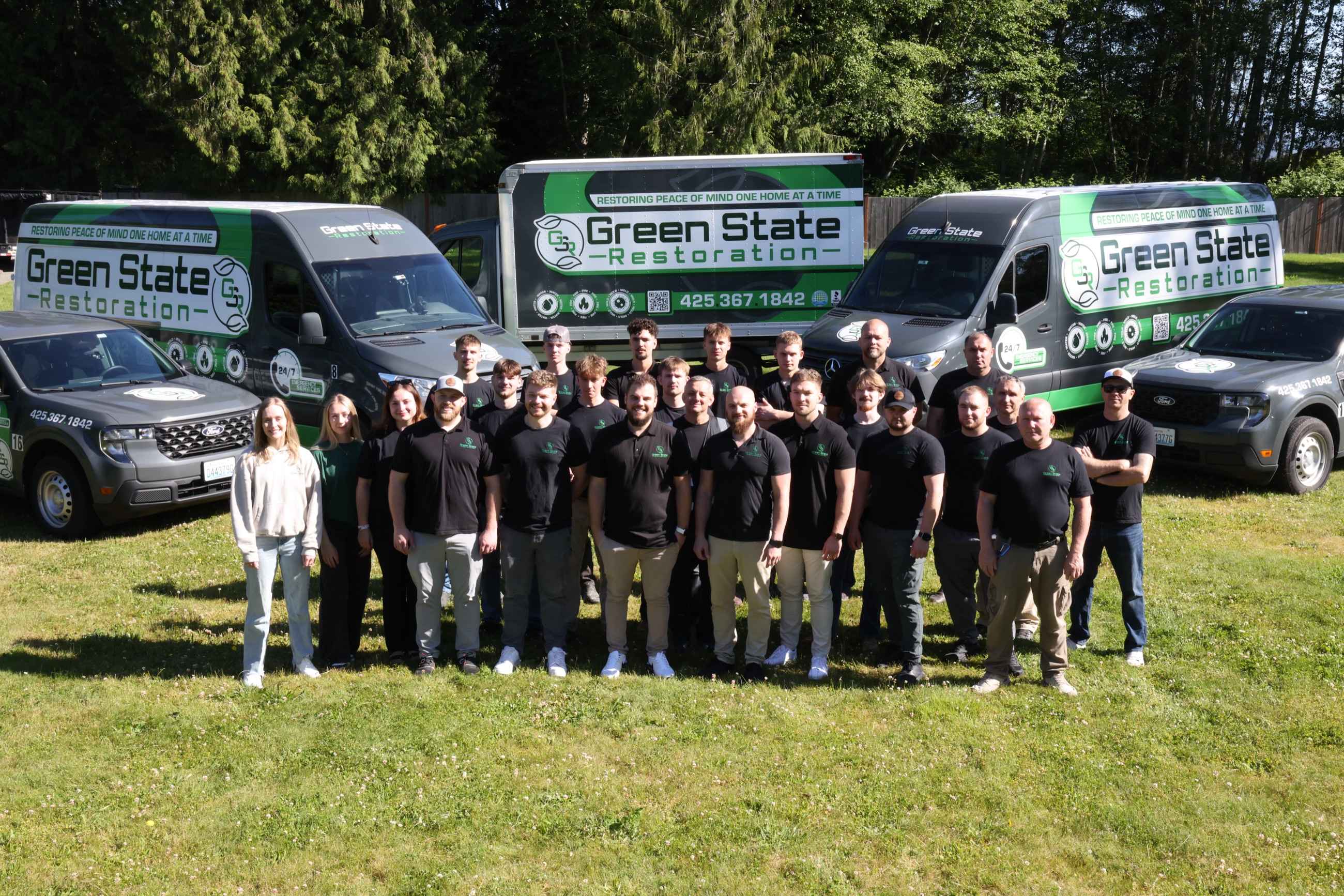
If you see or smell mold, contact Green State Restoration to discuss the affected area and next steps. Ask our team about the proposed cleanup scope and how the moisture source will be addressed.