
Mold is a serious problem that can affect the safety and quality of life in our homes. It's essential to recognize the signs of mold growth in order to prevent long-term health issues and costly repairs. In this article, we'll discuss how to spot potential signs of mold growth, as well as advise when you may need professional mold remediation services. We'll cover topics such as identifying mold growth, potential health effects of mold exposure, and how to keep your home safe from harmful mold. With this knowledge, you'll be able to identify the warning signs earlier on in order to mitigate further damage and protect your family's safety.
Visible Mold Growth
Mold growth in a home can be recognized by its visible signs, such as discoloration, stains, or fuzzy or slimy textures. Three common types of mold that homeowners may encounter are black, green, and white mold.
Black Mold
Black mold is usually found in areas with high levels of humidity and moisture, like bathrooms and basements. It has a greenish-black or black, slimy appearance and can cause serious health problems when breathed in.
Green Mold
Green mold is also common in humid areas like bathrooms and basements. It often appears on walls, ceilings, and other surfaces as fuzzy patches of green or yellow color. Green mold can irritate the eyes, skin, and respiratory system.
White Mold
White mold is usually found in areas where dampness has formed, such as around air conditioning units and windows. It appears powdery or fluffy and can be greenish-white to gray or white in color. White mold can also cause respiratory issues when breathed in.
Pink Mold
Pink mold, also known as Serpula lacrymans or dry rot, is one of the less common types of visible mold growth homeowners may encounter. It typically appears on wood surfaces that are already suffering from decay due to moist conditions and infrequent maintenance. Pink mold can spread rapidly and has a tendency to grow in distinctive patterns, such as fan-shaped structures.
Aside from the physical signs of visible mold growth, it's important to remember that all types of mold can be hazardous to health. Common symptoms associated with exposure to mold include itchy or watery eyes, coughing, sneezing, skin rashes, and respiratory problems.
If you suspect visible mold growth in your home, it's essential to take action immediately by calling a professional mold remediation service. A qualified specialist will be able to assess the extent of the mold growth and determine the best course of action for safely removing it.
It's also important to identify and address sources of moisture in your home that may be fueling mold growth, such as leaky pipes, condensation on windows or air conditioning units, or other areas prone to dampness. Taking these proactive measures can help you avoid the health risks associated with mold growth in your home.
Musty Odors
A persistent musty odor can be a sign of dampness or hidden mold growth. Check for leaks and other moisture sources, and ask a qualified professional to assess the area if the cause is unclear.
Mold can trigger asthma symptoms in people who are allergic to it. Address persistent dampness and visible growth, and ask a health professional about symptoms.
Regularly inspecting your home for signs of moisture and potential mold growth can help prevent these issues from occurring in the first place. Watch out for any water damage, leaks, or condensation that could be causing excess moisture. Additionally, make sure to open windows or run exhaust fans in areas of your home where there is a lot of moisture, such as bathrooms and kitchens. Proper ventilation can help prevent mold growth and musty odors from occurring. Taking these preventive steps can go a long way in keeping your home healthy and smelling fresh!
If a musty odor persists, locate and correct the moisture source. Cleaning visible growth without fixing the water problem can allow mold to return.
Water Damage
Mold growth is a common problem associated with water damage in the home. Leaks, floods, and high levels of humidity can all lead to mold growth if left unaddressed. In fact, long-term exposure to mold can even cause severe health problems such as respiratory issues and allergic reactions.
For these reasons, it's important to recognize water damage and address it promptly, as the water can be a breeding ground for mold growth. Signs of water damage include visible stains, peeling paint or wallpaper, damp carpets and/or flooring, and warped or buckled surfaces. Additionally, you may smell musty odors in rooms where there has been moisture buildup.
If you recognize any of these signs of water damage, it's important to contact a professional mold remediation service right away. It is not recommended that you try to handle the job yourself as you may risk further contamination and health hazards. A mold remediation expert will be able to assess the damage and provide an effective plan for removing any existing mold in your home.
Additionally, the expert will also be able to identify and fix any sources of moisture that may have caused mold growth in your home. This includes repairing any leaking pipes, unclogging gutters and downspouts, and ensuring proper ventilation.
By addressing water damage quickly and effectively, you can reduce the chances of developing a dangerous mold problem in your home. Taking these steps will help you protect your family's health and maintain the overall safety of your home.
If you suspect hidden mold, contact a qualified professional to assess the area and explain cleanup options. Consult a health professional about health concerns.
Allergic Reactions
Mold may cause sneezing, a runny nose, eye irritation, or asthma symptoms in sensitive people. Symptoms have many possible causes; seek medical advice for diagnosis and address indoor growth and dampness promptly.
Mold allergies can also cause skin rashes and hives that are often quite itchy and uncomfortable. If left untreated, these rashes can become more severe and may even blister or crack. If you notice any rashes or itching on your skin that does not seem to go away, it could be a sign of mold allergies and should be addressed promptly.
The EPA identifies allergic reactions, irritation, and asthma symptoms in susceptible people as common mold-related concerns. If you have symptoms or other health concerns, consult a health professional. See the EPA mold guide.
It is important to note that mold can cause different reactions in different people, so even if you are not experiencing any of the above-mentioned symptoms, it does not mean that your home is completely free of mold. If you suspect a mold problem in your home, be sure to contact a professional remediation service for a thorough inspection and clean up. Doing so will help to ensure the health and safety of your family and property.
People with compromised immune systems, such as those undergoing cancer treatment or people living with HIV/AIDS, may be at an increased risk of developing more serious reactions to mold. If there is any suspicion of a mold problem in the home, it is essential that these individuals seek professional guidance right away in order to minimize their potential health risks.
Discoloration and Stains
Discoloration can have several causes. Check whether the area is damp and ask a professional if you cannot identify or safely address the source.
It is important to identify discoloration and stains as soon as possible in order to prevent the spread of mold and its accompanying health risks. People often experience allergies or other respiratory issues when exposed to mold, so it is important to address the problem carefully and promptly. Professional mold remediation services can help identify if there is a problem with mold, as well as provide solutions for how to remove it safely.
It's also important to note that discoloration and stains can be caused by other factors, such as water damage or general wear and tear. Homeowners should look for additional signs of mold growth in order to properly identify the source of discoloration and stains. These signs may include a musty smell, damp surfaces, bubbling paint, or peeling wallpaper. If any of these additional signs are present, it is important to contact a mold remediation service for further inspection.
By taking the time to properly identify discoloration and stains, homeowners can reduce their risk of exposure to potentially harmful mold and make sure their homes are safe for themselves and their families. Prompt attention to any signs of mold growth can go a long way in protecting the health of those who live in the home.
Finally, it is important to remember that discoloration and stains can be an indication of other issues as well. Homeowners should always pay attention to any signs of wear and tear in their homes and take steps to protect their property from further damage. Regular inspections can help identify potential problems before they become serious, helping ensure that your family can enjoy a safe, healthy home.
Book Mold Remediation Services Today!
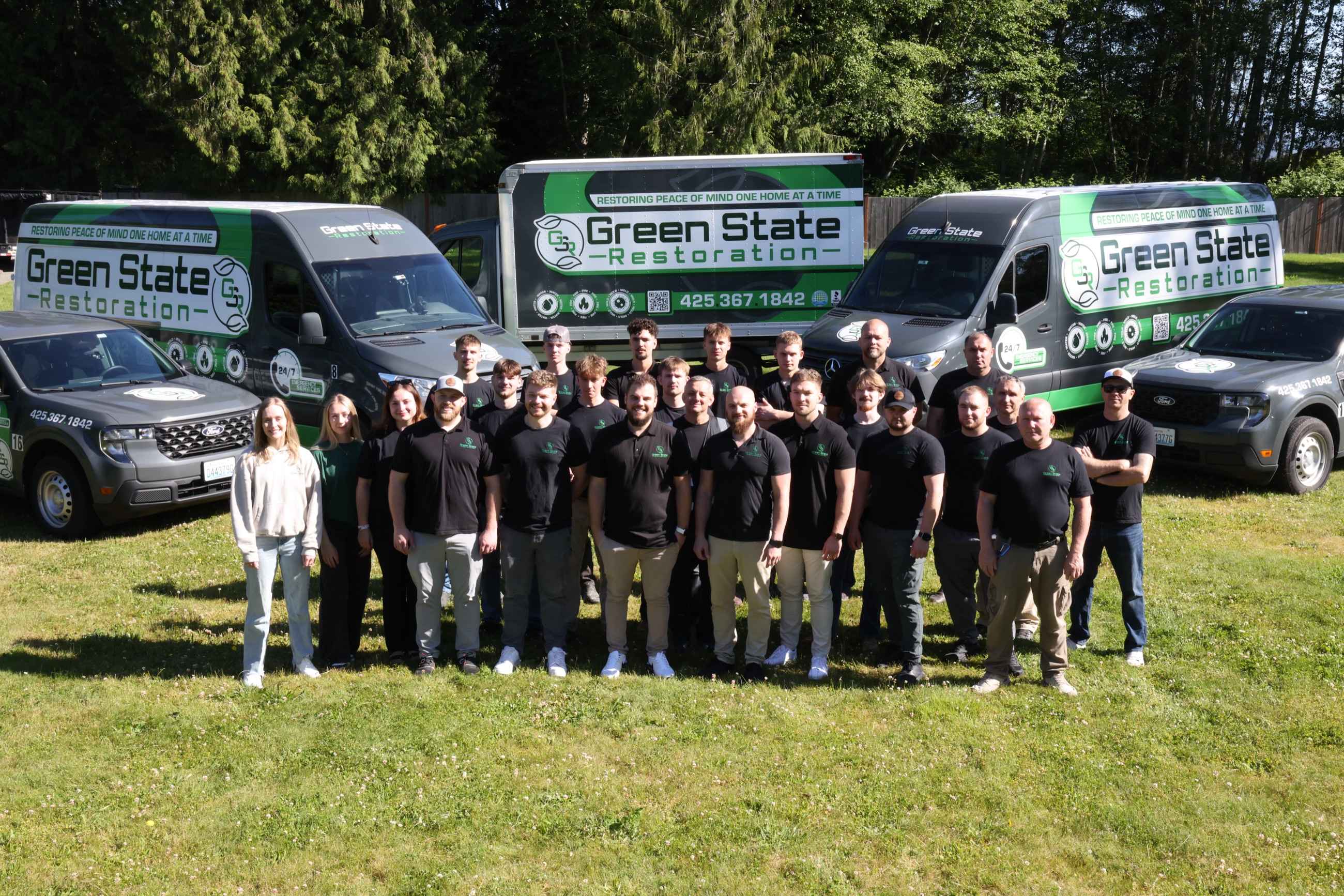
Green State Restoration provides services such as water damage restoration, mold remediation, fire damage repair, and more. We are experienced professionals with the tools and know-how to tackle any home disaster. Our team is dedicated to restoring your property fast and efficiently with minimal disruption.
We understand how stressful these situations can be for our customers, which is why we strive to provide them with the best possible service and customer care. Our experienced technicians are available 24/7 to respond to any disaster and provide assistance in a timely manner. Call us today to start a project!